
Image Credit: Unsplash
One Ceasefire, Three Interpretations
On June 14, 2026, Donald Trump announced to the world: a US-Iran peace deal would be signed today. The same day, Tehran’s response said something entirely different — not quite there yet, negotiations ongoing.
This isn’t diplomatic hedging. It’s three separate ceasefire frameworks, and each side understands “ceasefire” to mean something fundamentally different from the other two.
To understand why this agreement has proven so elusive, you need to trace what’s actually happened over the past few months.
Background: Escalation and the Ceasefire Deadlock
In early 2026, tensions in the Middle East spiked as the United States and Israel launched a series of coordinated military operations targeting Iran’s nuclear facilities and missile bases. While a partial ceasefire was reached between Israel and Iran around February 11, marking the end of the most intense phase of direct military conflict, the overall situation remained extremely fragile.
But that was the Israel-Iran ceasefire. The US and Iran were on a different track entirely.
US-Iran ceasefire negotiations began in earnest in April, centered on three issues: the nuclear program, missile capabilities, and regional influence. An initial framework approached its deadline around April 21 (per the Council on Foreign Relations), then overnight clashes in May brought things to the brink of collapse (Stars and Stripes, May 28). The two sides ultimately extended the truce, and negotiations entered their most critical phase.
Then came June 13: Trump said the deal would be signed the next day, with the Strait of Hormuz reopening shortly after. Iran responded the following day — no, not yet, the timeline doesn’t match.
Three Versions, Three Wish Lists
There’s one document labeled “ceasefire agreement.” There are three completely different interpretations of what it actually says.
Iran’s Version
Tehran’s red lines are unambiguous:
- Nuclear program: We keep it. Iran insists on its right to peaceful nuclear energy and will not accept complete abandonment. Temporary international monitoring and limits? Possible. Permanent dismantlement? Non-starter.
- Regional allies: We don’t cut ties with Hezbollah or Hamas. These are legitimate instruments of regional power projection, Iran argues — not negotiable.
- Sanctions: Immediate and complete removal. Iran wants all nuclear-related US sanctions lifted as a precondition to any deal.
- Security guarantees: Written US commitments not to conduct military strikes against Iranian territory.
In short: give me the money, give me security, leave my missiles, nuclear program, and朋友圈 alone.
America’s Version
Washington’s demands are equally clear:
- Nuclear program: Permanent restrictions on uranium enrichment. The Trump administration viewed the previous (Biden-era) interim agreement as insufficient — they want binding, permanent constraints.
- Missiles: Both range and quantity caps. US officials are particularly concerned about Iran’s medium-range ballistic missiles, which can reach every US military base in the Middle East.
- Regional influence: Reduced support for proxy forces. The US offers sanctions relief in exchange — but staged, with each step earning the next.
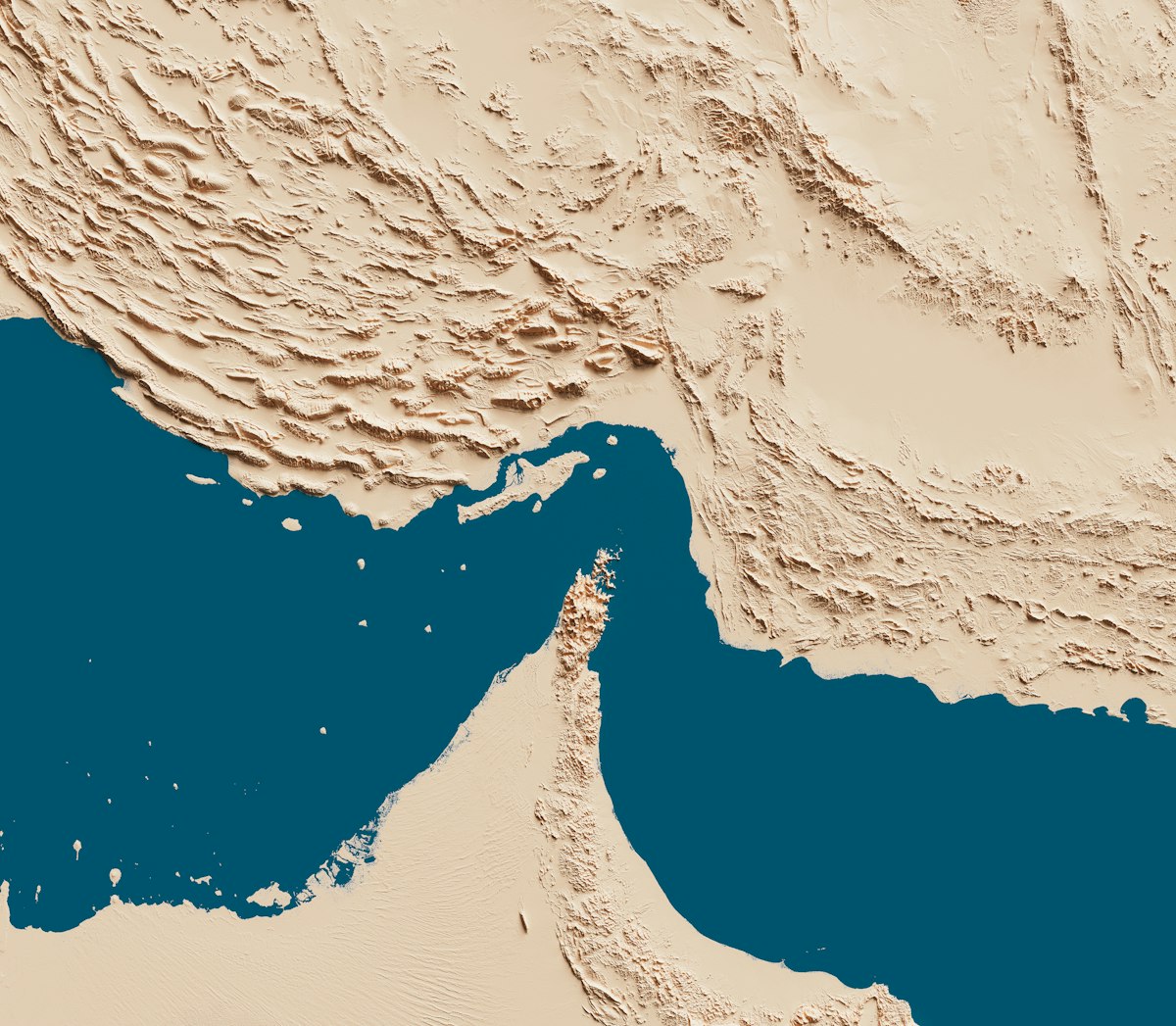
- Strait of Hormuz: Permanently open. This is the most direct US strategic interest. Roughly 20% of the world’s oil passes through this waterway. Iran threatened to close it during the conflict; the US wants a permanent guarantee written into any deal.
In short: I’ll lift sanctions, but you lock away the most dangerous stuff first — and the strait stays open.
Israel’s Version
Tel Aviv’s version of the ceasefire exists in a parallel universe that both Washington and Tehran pretend to know nothing about:
- Nuclear program: Complete, irreversible dismantlement. Civil nuclear power is fine, but uranium enrichment stops — permanently, facilities razed. Israel won’t accept “limits” because it believes Iran’s nuclear program is inherently a weapons program. Any ceiling is a false ceiling.
- Regional allies: Full severance of all support for Hezbollah and Hamas — funding, weapons, military advisors, everything.
- Security guarantees: A formal US-Israel mutual defense treaty. Israel doesn’t trust any regional agreement without direct American military backing.
On top of this, Israel’s attacks on Lebanon (The Guardian, April 9) have been quietly undermining the US-Iran ceasefire framework with every strike. Each Lebanese operation is another crack in the wall.
In short: give me the guarantee, everything else is secondary.
Why No Deal
The three ceasefire versions have core terms that directly contradict each other:
| Issue | Iran’s Bottom Line | America’s Offer | Israel’s Demand |
|---|---|---|---|
| Nuclear | Keep it, accept temporary limits | Permanent restrictions, no weapons | Complete dismantlement |
| Missiles | Non-negotiable | Freeze range and quantity | Freeze + international monitoring |
| Regional allies | Continue Hezbollah/Hamas support | Reduce in exchange for sanctions relief | Complete cutoff |
| Sanctions | Immediate and total | Staged, progress-linked | Lift, but as leverage |
| Security | Written US non-attack pledge | Depends on deal content | US-Israel mutual defense treaty |
This isn’t a negotiating gap. It’s a fundamental incompatibility.
On the nuclear question: Iran won’t give it up → the US says unacceptable → Israel says this equals a declaration of war.
On regional allies: Iran won’t cut ties → the US says the regional threat remains → Israel says the ceasefire is meaningless.
On sanctions: Iran wants instant relief → the US wants staged removal → each side thinks the other is acting in bad faith.
What’s At Stake Now
The Strait of Hormuz is the most immediately consequential issue. During the conflict, Iran used the threat of closure as a strategic counterweight. A permanent guarantee to keep it open would reshape global energy markets. Oil prices have already fallen over 1% on ceasefire news (Business Standard), reflecting how sensitive markets are to any sign of de-escalation.
But the real obstacle isn’t the strait. It’s trust.
Iran doesn’t trust the US to actually lift sanctions — history has precedent. The US doesn’t trust Iran to actually limit its nuclear program — history has precedent. Israel doesn’t trust any agreement without direct American military commitment — history has precedent.
All three sides have legitimate reasons not to trust the other two. And a functioning ceasefire requires all three to be satisfied simultaneously — which is itself close to an impossible condition.
Trump said “signing today.” Tehran said “not quite there yet.” Maybe that’s the most honest summary of where this negotiation actually stands.
Sources: Al Jazeera (June 13–14), Stars and Stripes (May 28), Council on Foreign Relations (April 21), The Guardian (April 9), Jerusalem Post (May 25), ABC News (February 11), Business Standard, Britannica.
Leave a comment